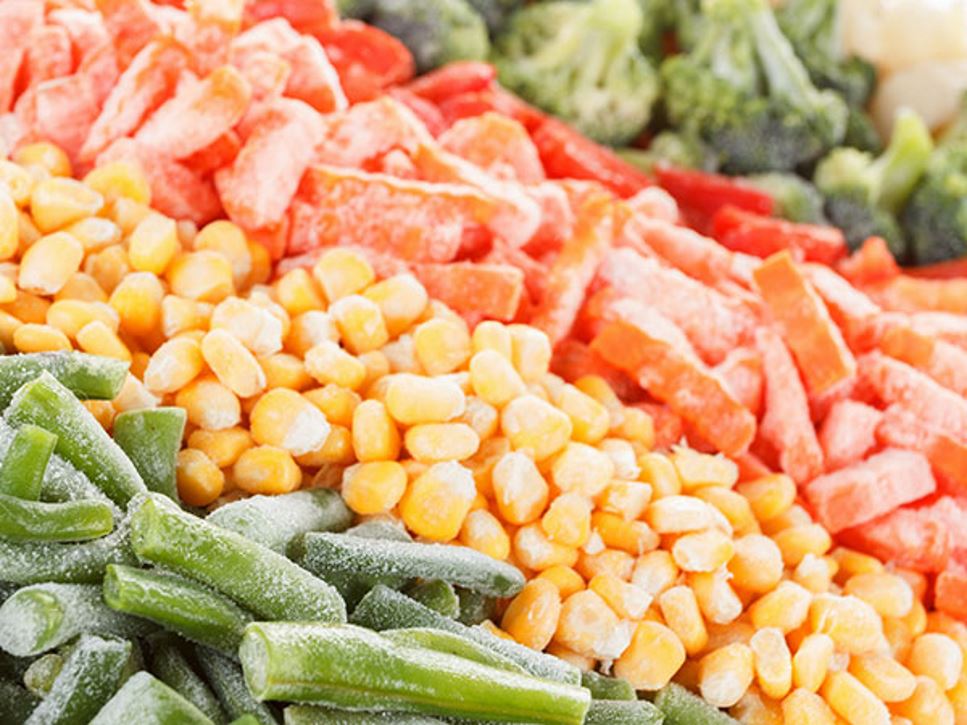
Eating a wide variety of nutritious foods, including fruit, vegetables, nuts, seeds, and lean protein can help support your overall health.
Many foods are both healthy and tasty. By filling your plate with fruits, vegetables, quality protein sources, and other whole foods, you’ll have meals that are colorful, versatile, and good for you.
Here are 50 healthy and delicious to include in your diet.
They are sweet, nutritious, and easy to incorporate into your diet because they require little to no preparation.
1. Apples
Apples contain fiber, vitamin C, and numerous antioxidants. They are very filling and make the perfect snack if you’re hungry between meals.
2. Avocados
Avocados are different from most other fruits because they contain lots of healthy fat. They are not only creamy and tasty but also high in fiber, potassium, and vitamin C. Swap mayonnaise for avocado as a salad dressing, or spread it on toast for breakfast.
3. Bananas
Bananas are a good source of potassium. They’re also high in vitamin B6 and fiber and are convenient and portable.
4. Blueberries
Blueberries are both delicious and high in antioxidants.
5. Oranges
Oranges are well known for their vitamin C content. What’s more, they’re high in fiber and antioxidants.
6. Strawberries
Strawberries are highly nutritious and low in both carbs and calories.
They provide vitamin C, fiber, and manganese and make a delicious dessert.
Other healthy fruits
Other healthy fruits and berries include cherries, grapes, grapefruit, kiwi, lemons, mangoes, melons, olives, peaches, pears, pineapples, plums, and raspberries.
Despite being high in unsaturated fat and calories, nuts and seeds may help lower the riskTrusted Source of cardiovascular disease, cancer, and other health issues. They are a satisfying snack could help those managing their weight.
They also require almost no preparation, so they’re easy to add to your routine. They can also add texture to salads and other dishes.
However, they are not suitable for people with a nut allergy.
11. Almonds
Almonds are a popular nut that contain with vitamin E, antioxidants, magnesium, and fiber. A 2021 reviewTrusted Source found that almonds may contribute to weight loss, support the gut microbiota, improve thinking, manage heart rate when a person is under stress, and prevent skin aging.
12. Chia seeds
Chia seeds are a nutrient-dense addition to the diet. A single ounce (28 grams) provides 11 grams of fiber and significant amounts of magnesium, manganese, calcium, and various other nutrients.
13. Coconuts
Coconuts provide fiber and fatty acids called medium-chain triglycerides (MCTs).
14. Macadamia nuts
Macadamia nuts are tasty and higher in monounsaturated fats and lower in omega-6 fatty acids than most other nuts.
15. Walnuts
Walnuts are highly nutritious and rich in fiber and various vitamins and minerals. Pair them with feta cheese to dress a salad.
16. Brazil nuts
Brazil nuts are nutrient-rich and have a smooth, buttery texture. The nutrients they contain support thyroid function, and they are a good source of the mineral selenium.
Calorie for calorie, vegetables are among the most concentrated sources of nutrients. Including a variety of vegetables in your diet will ensure you get a wide range of nutrients.
17. Asparagus
Asparagus is a popular vegetable that is low in both carbs and calories and rich in vitamin K.
18. Bell peppers
Bell peppers come in several colors, including red, yellow, and green. They’re crunchy and sweet and are a great source of antioxidants and vitamin C.
19. Broccoli
Broccoli is a cruciferous vegetable that tastes great both raw and cooked. It’s an excellent source of fiber and vitamins C and K and contains a decent amount of protein compared with other vegetables.
20. Carrots
Carrots are a popular root vegetable. They’re sweet, crunchy, and loaded with nutrients such as fiber and vitamin K. They’re also high in carotene antioxidants, which have numerous benefits.
Put a few carrots stick in your lunch box or use them for eating guacamole and other dips.
21. Cauliflower
Cauliflower is a very versatile cruciferous vegetable. You can add it to curries, roast it with olive oil, or use it raw in salads or for dipping.
22. Cucumber
Cucumbers make a refreshing snack. They are low in both carbs and calories, consisting mostly of water. They also contain small amounts of vitamin K and other nutrients.
23. Garlic
Garlic is a healthy and tasty addition to salads and cooked savory dishes. It containsTrusted Source allicin, which has antioxidant and antimicrobial effects. Its nutrients may also reduce the risk of cancer and cardiovascular disease.
24. Kale
Kale is high in fiber, vitamins C and K, and other nutrients. It adds a satisfying crunch to salads and other dishes. You can also add it to stir fries or bake in the oven to make crunchy kale chips.
25. Onions
Onions have a strong flavor and feature in many recipes. They contain a number of bioactive compounds believed to have health benefits.
26. Tomatoes
Tomatoes are usually categorized as a vegetable, although they are technically a fruit. They are tasty and provide nutrients such as potassium and vitamin C. For a bit of fun and extra flavor, try growing tomatoes on your windowsill.
More healthy vegetables
Other vegetables worth mentioning are artichokes, Brussels sprouts, cabbage, celery, eggplant, leeks, lettuce, mushrooms, radishes, squash, Swiss chard, collard greens, turnips, and zucchini.
Artichoke (or artichoke heart) is a kind of thistle.
Interestingly, this vegetable is actually the flower buds of the plant before they bloom.
Nutritionally, artichokes offer a decent mix of vitamins and minerals per 100g (1);
Calories: 47 kcal
Carbohydrate: 10.5 g
Fiber: 5.4 g
Sugar: 1.0 g
Fat: 0.2 g
Protein: 3.3 g
Vitamin C: 20% RDA
Vitamin K1: 18% RDA
Folate: 17% RDA
Magnesium: 15% RDA
Manganese: 13% RDA
Key Point: Artichokes are a good source of fiber and they are reasonably high in vitamin C.
2. Arugula
Arugula leaves are otherwise known as ‘rocket’, and they are particularly popular in the Mediterranean and Middle-East.
In fact, arugula is one of the tastiest foods on this vegetable list, and it adds a complex flavor to any dish.
These leaves are relatively nutrient-dense too, and their nutritional profile looks like the following (2);
Calories: 25 kcal
Carbohydrate: 3.7 g
Fiber: 1.6 g
Sugar: 2.1 g
Fat: 0.7 g
Protein: 2.6 g
Vitamin K1: 136% RDA
Vitamin A: 47% RDA
Vitamin C: 25% RDA
Folate: 24% RDA
Calcium: 16% RDA
Key Point: Arugula leaves supply a decent source of vitamin A and K1, and they are very low in calories and carbohydrate.
3. Asparagus
Out of all the different vegetables in the world, asparagus has a good argument for being the tastiest.
After all, it’s often the one which steakhouses serve alongside the main attraction.
As well as being one of the tastiest vegetables, it provides a good source of nutrition too (3);
Calories: 20 kcal
Carbohydrate: 4.0 g
Fiber: 2.1 g
Sugar: 1.9 g
Fat: 0.1 g
Protein: 2.2 g
Vitamin K1: 52% RDA
Vitamin A: 15% RDA
Folate: 13% RDA
Iron: 12% RDA
Vitamin B1: 10% RDA
Key Point: Asparagus is a nutritious (and very delicious) vegetable.
4. Bell Peppers
Bell peppers come in all colors, shapes, and sizes.
However, they all taste a little bit different, and red bell peppers are a little sweeter than yellow bell peppers. In the same fashion, yellow bell peppers are slightly sweeter than green bell peppers.
Technically bell peppers are a fruit, but since most people use them as a vegetable, they make this list.
Nutritionally, each color pepper has a very slight difference, but they are fairly similar.
Here is the nutrition profile for a large yellow bell pepper (4);
Key Point: Bell peppers provide a significant amount of vitamin C.
5. Beet Greens
The leaves of the beetroot plant are incredibly nutritious, so don’t throw them away!
Out of all plant foods, beet greens are one of the most impressive for nutrient density (5);
Calories: 22 kcal
Carbohydrate: 4.3 g
Fiber: 3.7 g
Sugar: 0.5 g
Fat: 0.1 g
Protein: 2.2 g
Vitamin K1: 500% RDA
Vitamin A: 127% RDA
Vitamin C: 50% RDA
Potassium: 22% RDA
Manganese: 20% RDA
See this guide to leafy greens for an in-depth look at the nutritional benefits of leafy vegetables.
Key Point: Beet greens provide very large amounts of vitamins A, C and K1. Additionally, their carbohydrate content is almost all fiber.
6. Beets / Beetroot
Depending on where you are from, beets (or beetroot) goes by different names.
Beets are a root vegetable, and they are quite adaptable too. For instance, they can be boiled, fried, roasted, mashed, or you can even buy pickled beets.
Consuming beets leads to a large intake of nitrate, which has many purported health benefits. Most notably, nitrate helps to lower blood pressure (6).
This vegetable also has a reasonably decent mix of micronutrients (7);
Key Point: Carrots are a root vegetable that supply a decent source of beta-carotenoids.
16. Cauliflower
Right now, cauliflower is one of the most popular types of vegetables around.
You can find all sorts of cauliflower products, ranging from cauliflower rice to mashed cauliflower.
For home-baking enthusiasts, cauliflower pizza is even a thing. In my opinion, though, cauliflower cheese will always be the best.
On the positive side, this vegetable is reasonably nutritious too; the macro and micronutrient composition looks like this (20);
Calories: 25 kcal
Carbohydrate: 5.3 g
Fiber: 2.5 g
Sugar: 2.4 g
Fat: 0.1 g
Protein: 2.0 g
Vitamin C: 77% RDA
Vitamin K1: 20% RDA
Folate: 14% RDA
Vitamin B6: 11% RDA
Potassium: 9% RDA
Key Point: Cauliflower comes in all shapes and sizes, and it’s a tasty and nutritious veggie.
17. Celery
Usually eaten in its raw state, celery is a popular salad vegetable with high water content.
Notably, quite a lot of research shows that celery may have some interesting health properties too.
According to one systematic review, the vegetable can have a positive impact on fertility (21).
Celery offers the following vitamins and minerals (22);
Calories: 16 kcal
Carbohydrate: 11.7 g
Fiber: 1.6 g
Sugar: 1.8 g
Fat: 0.2 g
Protein: 0.7 g
Vitamin K1: 37% RDA
Vitamin A: 9% RDA
Folate: 9% RDA
Potassium: 7% RDA
Manganese: 5% RDA
Key Point: Celery is a refreshing salad vegetable.
18. Chives
Chives provide a delicious flavor to any dish, and they also taste great on their own.
Often used as a flavoring herb, chives are a key feature in French cuisine, and a little goes a long way.
Slightly similar to regular chives, garlic chives (or ‘Chinese chives’) are another variety of this vegetable. However, these are used more like a standard vegetable than like a herb.
Chives are very nutrient-dense, and they supply (23);
Calories: 30 kcal
Carbohydrate: 15.9 g
Fiber: 2.5 g
Sugar: 1.9 g
Fat: 0.7 g
Protein: 3.3 g
Vitamin K1: 266% RDA
Vitamin C: 97% RDA
Vitamin A: 87% RDA
Folate: 26% RDA
Manganese: 19% RDA
Key Point: Packed with vitamins and minerals, chives are a decent source of nutrition and a great flavoring herb.
19. Collard Greens
As their name may suggest, collard greens are a leafy green vegetable.
This vegetable is popular throughout the world, and it is usually served either boiled, steamed, or in stews.
Collard greens have a slightly bitter flavor, and they provide a wide range of nutrients.
In fact, they are among the most nutrient-dense options on this list of vegetables (24);
Calories: 30 kcal
Carbohydrate: 5.7 g
Fiber: 3.6 g
Sugar: 0.5 g
Fat: 0.4 g
Protein: 2.5 g
Vitamin K1: 638% RDA
Vitamin A: 133% RDA
Vitamin C: 59% RDA
Folate: 41% RDA
Manganese: 14% RDA
Key Point: Collard greens are among the most nutritious of all vegetables.
20. Crookneck Squash
Some types of veggies have strange names, and this one certainly belongs to that group.
The crookneck squash is a bright yellow vegetable with a crooked hook-like neck.
Similar to other vegetables in the squash category, crookneck squashes have a mild, buttery taste.
Key Point: Crookneck squash is low in calories and macronutrients, and it isn’t a significant source of any vitamin or mineral.
21. Daikon Radish
The daikon radish is native to East and South-East Asia.
Daikon radish has numerous culinary uses, and many different pickles, salads, soups and stews are made with it.
It is very low in calories, yet supplies a reasonable range of nutrients (26);
Calories: 18 kcal
Carbohydrate: 4.1 g
Fiber: 1.6 g
Sugar: 2.5 g
Fat: 0.1 g
Protein: 0.6 g
Vitamin C: 37% RDA
Folate: 17% RDA
Copper: 6% RDA
Potassium: 6% RDA
Magnesium: 4% RDA
Key Point: Daikon radish is a tasty and very crunchy vegetable usually eaten raw.
22. Dandelion Greens
Dandelion greens are another leafy green with impressive nutrient density.
We often eat them raw, and they have a bitter and slightly peppery taste. However, like many vegetables, they have a more pleasant flavor after cooking.
Dandelion greens are high in calcium, and they provide a rare source of vitamin E too. The overall nutrient profile looks like this (27);
Calories: 45 kcal
Carbohydrate: 9.2 g
Fiber: 3.5 g
Sugar: 0.7 g
Fat: 0.7 g
Protein: 2.7 g
Vitamin K1: 973% RDA
Vitamin A: 203% RDA
Vitamin C: 58% RDA
Calcium: 19% RDA
Vitamin E: 17% RDA
Key Point: Dandelion greens contain an impressive range of nutrients. In particular, it is a good plant source of vitamin E and calcium.
23. Eggplant (Aubergine)
While it goes by the name of eggplant in the US, the UK uses the French name of aubergine.
This vegetable belongs to the nightshade family of plants, alongside others such as tomatoes, bell peppers, and tomatillos.
It seems that with eggplant, people either love it or hate it – and the way of cooking probably has a lot to do with it.
Boiled eggplant? Not so tasty.
On the other hand, roasted eggplant cooked with some fat tastes delicious.
On the outside, jicama looks a little bit like an onion, with a yellow exterior and white inner flesh.
In terms of taste and texture, it is sweet and crunchy.
This root vegetable has a high water content, and it’s also high in fiber and vitamin C (34);
Calories: 38 kcal
Carbohydrate: 5.6 g
Fiber: 4.9 g
Sugar: 1.8 g
Fat: 0.1 g
Protein: 0.7 g
Vitamin C: 34% RDA
Potassium: 4% RDA
Magnesium: 3% RDA
Manganese: 3% RDA
Key Point: Jicama is a Mexican root vegetable that provides a good source of vitamin C.
29. Kale
Kale is a member of the cruciferous family of vegetables, and it shares some similarities to cabbage and broccoli.
Personally, I’m not a huge fan of kale’s bitter taste. However, it has rapidly grown in popularity over the past several years as people find out about its health properties.
In terms of nutrients, kale has a shout for being one of the healthiest vegetables out there.
Kale provides an enormous amount of vitamin K1, beta-carotene, and vitamin C (35);
Among this list of vegetables, mushrooms stand alone.
Why?
Because they are not technically a vegetable, a fruit, or any other kind of plant. They belong to a class of their own.
However, since we commonly use mushrooms in the same way as vegetables, here they are.
Mushrooms contain a vast range of phytonutrients, some of which are unique. Additionally, numerous studies show they have anti-inflammatory and anti-microbial properties (42).
As shown below, mushrooms contain some vitamins and minerals too (43);
Nutritionally, potatoes are one of the higher carbohydrate sources on this list of vegetables.
However, they are not as high in carbs as many people presume. At around 18g carbohydrate per 100g, they are a lot lower than legumes and grains – and even some other vegetables.
Nutritionally, they provide a good source of potassium and vitamin C (50);
Key Point: Potatoes are a traditional staple food. While not the most nutrient-dense vegetable, they supply a reasonable amount of vitamins and minerals.
42. Pumpkin
Pumpkins are a kind of vegetable that become particularly popular at one time of year – Halloween.
They are delicious too, and after cooking, they provide a soft, sweet flesh that is quite nutritious also.
Although people use pumpkin as a vegetable, it isn’t a true veggie. Due to its flesh and seeds, it is botanically a fruit.
Pumpkins are an excellent source of vitamin A (as beta-carotene) (51);
Calories: 26 kcal
Carbohydrate: 6.5 g
Fiber: 0.5 g
Sugar: 1.4g
Fat: 0.1 g
Protein: 1.0 g
Vitamin A: 148% RDA
Vitamin C: 15% RDA
Potassium: 10% RDA
Copper: 6% RDA
Manganese: 6% RDA
Key Point: Pumpkins are a delicious tasting squash and a great source of beta-carotene.
43. Purple Sweet Potato (Okinawan Yam)
Although they look like different vegetables, the ‘Okinawan yam’ is a kind of sweet potato.
This purple sweet potato is a nutritious tuber that has some advantages over regular sweet potatoes.
For one thing, the brilliant purple color of this vegetable is due to the abundant supply of anthocyanins in the flesh.
The traditional long-lived Okinawans consumed most of their calories from purple sweet potatoes too.
As carbohydrate sources go, they’re certainly a better choice than the refined carbs in Western diets.
Key Point: Sweet potatoes are an adaptable tuber that provides a large amount of beta-carotene.
53. Swiss Chard
Swiss chard is a nutritious leafy green that is a frequent staple in the Mediterranean region.
Typically, chard is used in raw salads but sauteing it tastes good too, and removes some of the bitter flavor.
Swiss chard’s edible leaves are green with a reddish tinge, and they contain a wealth of nutrients (64);
Calories: 19 kcal
Carbohydrate: 3.7 g
Fiber: 1.6 g
Sugar: 1.1g
Fat: 0.2 g
Protein: 1.8 g
Vitamin K1: 1038% RDA
Vitamin A: 122% RDA
Vitamin C: 50% RDA
Magnesium: 20% RDA
Manganese: 18% RDA
Key Point: Similar to other leafy greens, swiss chard is loaded with nutrients – particularly vitamins A, C and K.
54. Tomatillo
The tomatillo belongs to the nightshade family of plants alongside tomatoes, eggplants and bell peppers.
With the alternate name of ‘Mexican husk tomato’, tomatillos are a staple in Mexican cuisine.
In terms of appearance, they a little similar to a large green tomato.
Tomatillos are the main ingredient in various central American sauces as well as green salsas.
Nutritionally, tomatillos are a good provider of vitamin C (65);
Calories: 32 kcal
Carbohydrate: 5.8 g
Fiber: 1.9 g
Sugar: 3.9g
Fat: 1.0 g
Protein: 1.0 g
Vitamin C: 20% RDA
Vitamin K1: 13% RDA
Vitamin B3: 9% RDA
Potassium: 8% RDA
Manganese: 8% RDA
Key Point: Tomatillos are a tangy Mexican staple that play a key role in green salsa and other green sauces.
55. Tomatoes
Tomatoes are juicy, sweet, and slightly sour fruit.
Yes, fruit; botanically speaking tomatoes are fruit.
However, when was the last time you saw a tomato in a fruit salad? While technically tomatoes are a fruit, we use them as a vegetable in cooking.
They’re also a crucial culinary ingredient and a key feature of world cuisine, from Italian to Indian food.
They’re also good for our health and contain the carotenoid lycopene. Although further research is necessary, studies suggest this compound may potentially have anti-cancer and cardioprotective benefits (66).
Nutritionally speaking, tomatoes provide a good amount of beta-carotene and vitamin C (67);
Calories: 18 kcal
Carbohydrate: 3.9 g
Fiber: 1.2 g
Sugar: 2.6g
Fat: 0.2 g
Protein: 0.9 g
Vitamin C: 21% RDA
Vitamin A: 17% RDA
Vitamin K1: 10% RDA
Potassium: 7% RDA
Manganese: 6% RDA
Key Point: Tomatoes are a delicious food that plays a key role in various dishes around the world.
56. Turnips
Turnips are a root vegetable that grows in temperate regions around the world.
Turnips are often eaten on their own, either mashed, boiled or stewed. However, they work well in a range of dishes too.
The edible part of this root vegetable is a white bulb that provides a range of nutrients (68);
Calories: 28 kcal
Carbohydrate: 6.4 g
Fiber: 1.8 g
Sugar: 3.8g
Fat: 0.1 g
Protein: 0.9 g
Vitamin C: 35% RDA
Manganese: 7% RDA
Potassium: 5% RDA
Copper: 4% RDA
Vitamin B6: 4% RDA
Key Point: Turnips are a traditionally popular root vegetable that are high in vitamin C.
57. Watercress
You wouldn’t guess so from looking at it, but watercress is one of the most nutritious vegetables out there.
Watercress is native to Europe and Asia, and it grows in areas surrounding slow-moving water such as lakes and ponds.
We can often find watercress in salads and soups, and the leaves add a lot of flavor.
This leafy vegetable has a kind of peppery taste, and it’s refreshing due to its high (95%) water content.
Surprisingly, 100g of watercress provides only 11 calories, and yet it’s still one of the most nutrient-rich vegetables (69);
Calories: 11 kcal
Carbohydrate: 1.3 g
Fiber: 0.5 g
Sugar: 0.2g
Fat: 0.2 g
Protein: 2.3 g
Vitamin K: 312% RDA
Vitamin C: 72% RDA
Vitamin A: 64% RDA
Calcium: 12% RDA
Manganese: 12% RDA
Key Point: Watercress has an impressive nutrient density despite being extremely low in calories.
58. Water Chestnut
Calories: 97 kcal
Carbohydrate: 23.9 g
Fiber: 3.0 g
Sugar: 4.8g
Fat: 0.1 g
Protein: 1.4 g
Potassium: 17% RDA
Manganese: 17% RDA
Copper: 16% RDA
Vitamin B6: 16% RDA
Vitamin B2: 12% RDA
Despite the name including “nut”, water chestnuts are a type of aquatic vegetable.
Especially popular in Chinese cuisine, the water chestnut has grown in popularity around the world.
While you can easily find these in canned form, they don’t taste anywhere near as flavorful as fresh water chestnuts. However, the fresh ones should be available at your local Chinese grocery store.
Water chestnuts are quite starchy, and therefore they’re higher in carbohydrate than most vegetables.
Concerning their nutrient profile, they’re a good source of potassium, copper, and Manganese (70).
Key Point: Water chestnuts are a starchy aquatic vegetable that enjoys popularity in Chinese cuisine.
59. Zucchini (Courgette)
Here is another vegetable that has alternate names across the Atlantic.
Known by the original Italian word ‘zucchini’ in the US and Australia, this vegetable goes by the French name of ‘courgette’ in the UK, Ireland and New Zealand.
But whatever you call it, it still looks and tastes the same.
Zucchini can be enjoyed both raw or cooked, and you can even make vegetable noodles (dubbed “zoodles”) with it.
Zucchini has a fresh, soft and sweet flavor and texture, and it provides a good amount of nutrition too (71);
Calories: 16 kcal
Carbohydrate: 3.3 g
Fiber: 1.1 g
Sugar: 1.7g
Fat: 0.2 g
Protein: 1.2 g
Vitamin C: 28% RDA
Vitamin B6: 11% RDA
Manganese: 9% RDA
Potassium: 7% RDA
Folate: 7% RD
Key Point: Zucchini is a versatile vegetable that provides decent nutrition for minimal calories.
Final Thoughts
No matter which vegetable people prefer, all options can help to improve the overall dietary pattern. Vegetables tend to offer high amounts of essential nutrients for very few calories, and they can help to ensure essential vitamin and mineral requirements are met.
But there is no need to include any specific individual vegetable, and it is probably better to just focus on the ones that you enjoy the most.
To learn about some differences between raw and cooked vegetables, see this guide here.
Diego AndradeWhere did you get the information from ? Excellent job thanks!Reply
Michael JosephNo problem! You can click the little numbers in parentheses (1) for all the references/data sources.Reply
Heather V.Does anyone know where I can find these facts listed exactly like this in a book? Want to give as a present. Would love to have an A-Z list of veggies with their nutritional facts. Thank you!!!Reply
Jim PerkinsThis presentation is so helpful. Many thanks Michael. I have been vegetarian for six years, mainly for health and longevity. I have been planning to work out all the nutrients that I am eating. I stumbled upon this article that has been so informative, adding to my knowledge of how the body functions and the best way to assist it.Reply
Jim PerkinsFrench beans? Are chick peas, haricot, kidney beans classed as vegetables?Reply
Michael Joseph, MScHi Jim,Thank you for your comments. Although those beans are sometimes classed as vegetables in their immature (green) state, they’re more commonly categorized as legumes.If it helps, you can find the different types of legumes here: https://www.nutritionadvance.com/types-of-legumes/Reply
Leave a Comment
CommentNameEmailWebsite
Receive Our Updates
Get notified of new articles and receive useful guides direct to your inbox.
We promise not to spam you. You can unsubscribe at any time.
Follow!
Nutrition Advance provides evidence-based food and nutrition articles. This content is for informational purposes only and Nutrition Advance does not provide medical advice.
Freezing food helps us to extend shelf life, making it easier to store food longer. But did you know that there are other benefits of frozen food?
Let’s start at the very beginning. For over 3,000 years, people have found ways to store food in cold conditions in order to preserve crops and sustain themselves through the winter. Today, people freeze food for a wide variety of reasons, from the convenience and cost savings, to the nutritional benefits of preserving food at peak freshness.
It’s time we debunked the myth that fresh food is healthier than frozen. Freezing food allows us to essentially hit the “pause” button on the natural aging process of fresh food, locking in vitamins and nutrients for longer. Keep reading to learn about the key benefits of frozen food.
Convenience
Naturally, the most popular benefit of freezing food is convenience. Frozen meals are easy to transport to the office and quick to heat up at home after an intense session at the gym. Frozen fruit is a staple of morning smoothies, and freezing pre-chopped veggies makes soups, stir-fries, and side dishes fast and easy. When you freeze your own produce or order a ready-made frozen meal online, it’s ready when you are.
Preserve nutrition at peak ripeness
Fresh food is great, but frozen food is often more nutrient-rich than produce at the grocery store. The Journal of Agricultural and Food Chemistry published a study comparing vitamin retention in eight fruits and vegetables when they were refrigerated, versus when they were frozen. The study measured nutritional content of corn, carrots, broccoli, spinach, peas, green beans, strawberries, and blueberries at various stages of storage, and showed that the overall vitamin content of frozen foods is comparable, if not higher than their fresh counterparts.
Why is that the case? When you purchase a banana, it’s already traveled quite a long time before it reaches your local market. In order to arrive at the store ripe your produce gets picked before it reaches its peak, meaning it may never reach its full nutritional potential. In the days (or weeks) of travel from its home to yours, fresh produce has plenty of time for nutritional content to diminish, sometimes by up to 50%. In contrast, produce that’s destined to be frozen is usually picked at ideal ripeness, then flash-frozen, providing the best preservation of nutrients.
Make your food last longer
If you’re buying produce fresh, you can help preserve your fruit and veggies at their peak by properly storing produce in your freezer. Freezing food properly can help it stay nutritious and delicious for up to 18 months!
First, ensure you’re freezing food at the peak of freshness—ideally as soon as you get it home unless it’s under ripe. Next, wash and dry your produce before you put them in the freezer. Don’t put wet fruit or veggies in the freezer, or you’ll end up with a frozen brick that’s hard to separate or blend. Finally, ensure you’re freezing food in an airtight container to ensure maximum freshness. Freezer burn happens when frozen food is exposed to air. It’s essentially harmless but can affect flavor, texture, and nutrition.
Reducing food waste
Because freezing is a great way to increase the lifespan of your food, it can also help reduce unnecessary food waste. Have you ever been tempted by the cost savings of a bag of perfectly ripe avocados? Then you’re familiar with the struggle of trying to consume six avocados in a span of 24 hours. Rather than wilding-out on guacamole, dice them up, and throw the chunks into a freezer-friendly container. You can use them later for a smoothie booster. You’ll reduce your household food waste by prepping what you need for the next couple of days, then freezing the rest.
Bonus tip: Are you a dedicated composter? Try keeping your compost bin in your freezer. You’ll eliminate any unpleasant odors in your kitchen by delaying the decaying process until it hits your outdoor bin.
Balanced nutrition with guidance from Registered Dietitians
Mindful meal prep and freezing your fresh fruit and veggies can help you ensure you’re eating a balanced diet that meets nutritional guidelines from Registered Dietitians. In addition to freezing your own meals and ingredients, there are plenty of frozen food benefits that make it worth making it a part of your busy lifestyle.
Performance Kitchen creates delicious, nutritionally balanced meals to fit a wide variety of lifestyles, diets, and tastes. Our fresh produce is picked at peak ripeness and then flash-frozen, resulting in the optimal preservation of nutrients. Instead of using excess sodium and sugar to give our meals flavor we use premium ingredients, herbs, and spices to create our globally-inspired recipes
Goat meat has less saturated fat, higher amounts of numerous minerals like iron, and more vitamins of many kinds. Goat meat has a comparable amount of protein as beef and is overall lower in calories. By pretty much any metric, goat meat is healthier and better than beef.
You might be surprised to learn, then, that goat is so much better than beef.
It is far less commonly consumed here in the U.S. and in the west in general, but in fact around 70% of the world’s population regularly eats goat meat.
There is some nuance to the question, though we do have a clear answer—so let’s look further into it.
WHAT ARE THE DIFFERENCES BETWEEN GOAT AND BEEF?
Goat is higher in Vitamin B2, Copper, and Iron, however, Beef is richer in Vitamin B12, Vitamin B6, Selenium, Zinc, and Vitamin B3.
Beef’s daily need coverage for Vitamin B12 is 60% more.
Beef contains 4 times less Copper than Goat. Goat contains 0.303mg of Copper, while Beef contains 0.085mg.
Frozen foods are an affordable way get your daily dose of fruits and vegetables. In fact, families who incorporate frozen foods into their normal routine may have better diet quality. With so many choices in the frozen foods aisle, there are plenty of opportunities to find something you like.
Benefits of Frozen
Fruits and vegetables are picked at peak ripeness and often frozen within hours, locking in nutrients and flavor. Generally, frozen foods retain their vitamins and minerals and there is no change to the carbohydrate, protein or fat content. In some cases, frozen foods have more vitamins and minerals compared to fresh because fresh foods lose vitamins and minerals over time while freezing preserves nutrients.
Frozen foods can be a convenient and affordable way to incorporate healthful foods from every food group, including whole grains, fruits, vegetables, protein and dairy. In addition to a time-saving convenience, frozen foods can be a benefit for individuals with limited kitchen space or utensils. Not only can frozen foods be more affordable in price, but they also can aid in reducing food waste.
Choosing Wisely
Not all frozen foods are created equal — many can be high in saturated fat, added sugars and salt. When selecting frozen foods, look at the Nutrition Facts label and ingredients list and avoid those with added sauces.
When selecting frozen meals or convenience foods, compare Nutrition Facts labels to find nutritious choices. Keep in mind that some frozen dinners are considered more than one serving, which means you will need to double or triple the calories and nutrients listed in the Nutrition Facts if you eat the entire package. Choose those that are lower in saturated fat, added sugars, and salt and higher in fiber, vitamin and mineral content.
Keep it Safe
To keep frozen foods safe, follow cooking methods specified on the package. The safest way to thaw frozen foods is in the refrigerator. When thawing meat in the refrigerator, make sure juices do not drip onto other foods. To thaw in a hurry, place the food in a leak-proof plastic bag and submerge it in cold water until thawed, replacing the cold water every half hour and cooking it immediately after thawing. Foods also can be thawed in the microwave and should be cooked immediately after thawing.
“Frozen fruits and vegetables are a healthful and economical alternative to fresh fruits and vegetables. Avoid frozen vegetables with added sauces and frozen fruits with added sugars.”
We are in search of a skilled Social media coordinator to manage our social media accounts. The candidate will create original content videos and materials, manages posts, and respond to inquireies from customers and followers to achieve organizational goals.
As a social media coordinator, you will be up-to-date with the latest socal media trends and technologies displaying an excellent communication skills, as well as managing customers engagements through our websites and other media platform.
Other Job responsibilities
Embark on research to explore marketing trends and focus on suitable audience
Develop and implement social media strategy to align with organizational goals
Set specific objectives and report on ROI
Create, edit, publish, and share engaging content daily (e.g. original text, photos, videos, blogs, and news)
Closely monitor SEO and web traffic metrics
Collaborate with other teams, like marketing, sales, and customer service to ensure brand consistency
Communicate with customers and followers while responding to queries in a timely manner and monitor customer reviews
Oversee social media accounts’ design (e.g. Instagram, Twitter, Facebook, TikTok, and other social media platform)
Suggest and implement new features to develop brand awareness, like promotions and competitions
Additional recommended skills
Proven work experience as a Social media personel
Experience in content management
Excellent copywriting skills
Ability to deliver creative content (text, image and video)
Solid knowledge of SEO, keyword research and Google Analytics
Increase sales, customer satisfaction, and retention by providing customers, contractors, and other business associates with accurate, consistent, timely, and meaningful information.
Essential Functions:
Source for customers – Individuals and Corporates
Be available to handle customers’ inquiries.
Grow customer base and adopt measures to retain existing customers
Answering and documenting all incoming contacts to determine their nature and respond to calls.
Respond with empathy to customer complaints and concerns concerning delivery status, account status, payment history, and other services.
Respond to customers’ inquiries and complaints.
Evaluate data to determine and implement market strategies and take the appropriate course of action to increase sales
Understand how to use tools available to recall necessary information.
Effectively diffuse anger, tension, and hostility of members expressing concerns about Teruke International Ltd and De West Wind Nigeria.
Be open and receptive to feedback and change behavior to improve performance.
Qualifications
Basic Qualifications: Experience
Two (2-3) years of customer service experience recommended.
Education
Bachelor’s degree in the related field, OND, HND, OR four (2-5) years of experience in a related field.
Additional Requirements:
Has a substantial understanding of the job and applies knowledge and skills to complete various tasks.
Ability to thoroughly understand processes and customer complaints.
Excellent written and verbal skills.
Ability to demonstrate analytical and problem-solving skills.
Basic knowledge of personal computers is required. Ability to multitask
Demonstrate strong reading comprehension and writing skills to analyze and document interaction.
Follow established procedures to meet customer needs.
Ability to read and respond clearly and concisely.
Ability to think critically.
Excellent written and verbal skills.
Preferred Qualifications:
Sales and Marketing experience/Call Center
Primary Location: Ogba – Ikeja, Lagos. Applicants could operate from any part of Lagos and report to the office at Ogba once a week.
Scheduled Hours: N/A
Shift: Day
Working Days: Monday – Friday, weekends, sometimes
Working Hours Start: N/A
Working Hours End: N/A
Schedule: Part-time/Full-time
Job Type: Standard
External hires must pass a background check screen. All qualified applicants will receive consideration for employment without regard to race, color, religion, sex, national origin, sexual orientation, gender identity, protected veteran, or disability status.
If you are interested in this role and you fulfill the requirements set above, do not hesitate to send us your CV and cover letter in English.
Job Type: Full-time
Pay: From ₦150,000.00 per month
Ability to commute/relocate:
Lagos: Reliably commute or planning to relocate before starting work (Preferred)
Abacha and Ugba is a dish that can also be referred to as the African Salad. It is a popular dish in Nigeria, and it is especially traditional amongst the Igbo people, in the Eastern regions of Nigeria.
The Abacha is made from cassava that is grated and then left to dry in the sun. And as for the Ugba, it is a type of oil bean seed that is sliced and mixed with fresh vegetables of your choice. Abacha and Ugba are most commonly served with fried fish and cowskin, known as ponmo. But the most surprising thing about this dish is that although it looks like the main meal, it is actually served as a dessert!
f you like seafood, then you will almost certainly enjoy Afang Soup. It is a popular dish all around Nigeria but is especially traditional in the Southern regions, as it is associated with the Efik tribe.
It is essentially a vegetable soup that also includes meat, stockfish, and plenty of seafood all sold in teruke marketplace or visit www.teruke.com. Most commonly, it will include prawns and periwinkles. The name of the soup comes from the Afang leaves that are usually sliced into small bits and mixed into the dish. And this delicious food is most often served with some pounded yam or some eba.
Amala and Ewedu is a highly popular dish, most commonly found in Western Nigeria, as it is traditional amongst the Yoruba people. This soup is made from the leaves of the Jute plant, which are then blended into a textured mush.
The soup is then garnished with meat (of your preference), and with some cowskin (known as ponmo). Ewedu soup is almost always served with Amala, and that is where the name of the dish comes from. It is also quite common to add some tomato and pepper sauce, to help ease the strong bitterness of the Ewedu soup. Shop now at www.teruke.com to buy your meat, cowskin, tomatoes and every other ingredient to prepare your Ewedu soup.
Banga Soup is a highly popular type of soup in Nigerian cuisine, and it is especially common in the Southern regions of the country. It is made with ripe palm fruit, which is then garnished with meat, fish, or other ingredients, depending on your preference. The variety makes it a dish loved by everyone, as it can be adapted to suit your tastes. It is most commonly served with white rice or starch, and the unique aroma that comes from the rich flavors and ingredients makes it a very appetizing dish that you will definitely be wanting to try.
The soup is made from the processed melon seed, which is then mixed with various ingredients such as vegetables, seafood, meat, and plenty of seasoning and condiments. Egusi soup is most commonly eaten during special occasions or celebrations, and during important festivities, as it is considered a delicacy. It is then also commonly served with pounded yam, garri, amala, or others. Buy Egusi and all your ingredients from www.teruke.com or call 09060447422.
Jollof Rice is by far one of the most popular dishes in Nigeria, as it is eaten all across the country. It is also an incredibly simple dish, making it perfect for everyday meals. It is essentially just rice, made with tomato, onion, pepper, and a few spices. It is commonly served alongside a serving of vegetables, meat such as chicken or beef, or fried fish. It is very fast and easy to make, and the different possible variations and combinations of ingredients also make it perfect to satisfy different types of preferences, so that there is a version of Jollof Rice for everybody. It is also highly popular in other parts of West Africa too. Shop from www.teruke.com now to get all your ingredients.
Fruits are good for growing children because they provide many health benefits. For instance, all fruits provide fiber which helps with normal bowel function. Please note: fruit juice does not contain fiber! So when possible, choose whole fruit, whole fruits from Teruke marketplace.
Fruit also contains vitamin C, which helps your immune system repair bodily tissues. It helps heal cuts and wounds and helps to absorb iron in their bodies. Fruits of different colors also offer kids different health benefits. For example, red, blue and purple fruits contain antioxidants to help protect your child’s developing brain. Red fruits boost heart health.
Depending on your child’s age, these serving sizes can be broken into smaller portions for meals and snacks. For example, if your child is 2-3 years old, you might aim for four ¼-cup portions of fruit throughout the day to meet the daily goal.
Use fresh or frozen fruit to create a tasty smoothie for a healthy breakfast or mid-day snack. You can add veggies too! Teruke Marketplace has the best smoothies you can think of, try out some of our recipes or order a variety of them from 09060447422.
Many health conditions are caused and/or affected by food and nutrition. Some are directly caused by food, such as “food poisoning” or bacterial infections from contaminated food. Some people can have severe allergies to foods like peanuts or wheat (celiac disease). Gastrointestinal ailments—such as irritable bowel syndrome, ulcerative colitis, and gastroesophageal reflux disease (GERD)—are also directly affected by the consumption of food.
For other diseases and conditions, the type or quantity of food can influence the progress of the disease. Diabetes mellitus, for example, which results in the inability of the body to regulate blood sugar, is drastically affected by the types and quantities of food eaten. Carbohydrate intake has to be carefully monitored if you suffer from diabetes, or blood sugar can rise to dangerous levels. Other conditions affected by food and nutrition include:
hypertension: Salt intake affects blood pressure.
heart disease/high cholesterol: Fatty foods and partial hydrogenated oils can create plaque in arteries.
osteoporosis: Low calcium, low vitamin D and excess fat can result in fragile bones.
certain cancers: A poor diet and obesity are associated with increased risk of breast, colon, endometrial, esophageal, and kidney cancers.
Your food choices and nutritional status can influence your overall health over the entire course of your life.